Tag Archives: eye surgery

New eyes with Dr. Verdier IV

The Grand Finale delivers 20/20 vision

Note: This is the fourth installment in the mini-series called “New eyes with Dr. Verdier” about cataracts and eye surgeries. It rightfully carries the bold title, “The Grand Finale.”

The series tracks Emma Palova’s journey from near blindness to new eyes with 20/20 vision. The third part “The Surgery” was published on Oct. 1.

The second part “The evaluation of cataracts” was published on Sept. 13.

The first part “Eyes set on Dr. Verdier” was published on EW Emma’s Writings http://emmapalova.com on Sept. 6.

The Grand Finale

By Emma Palova

EW Emma’s Writings

Grand Rapids, MI- I went into the second surgery even more scared than the first eye because I already knew what was going to happen.

“Each eye is different,” I remembered the anesthesiologist saying.

Dr. David Verdier previously informed me that he was going to adjust the lens for the left eye so it won’t see as far into the distance, but more close-up. That way the two eyes don’t fight, and the result should be a perfect 20/20 vision.
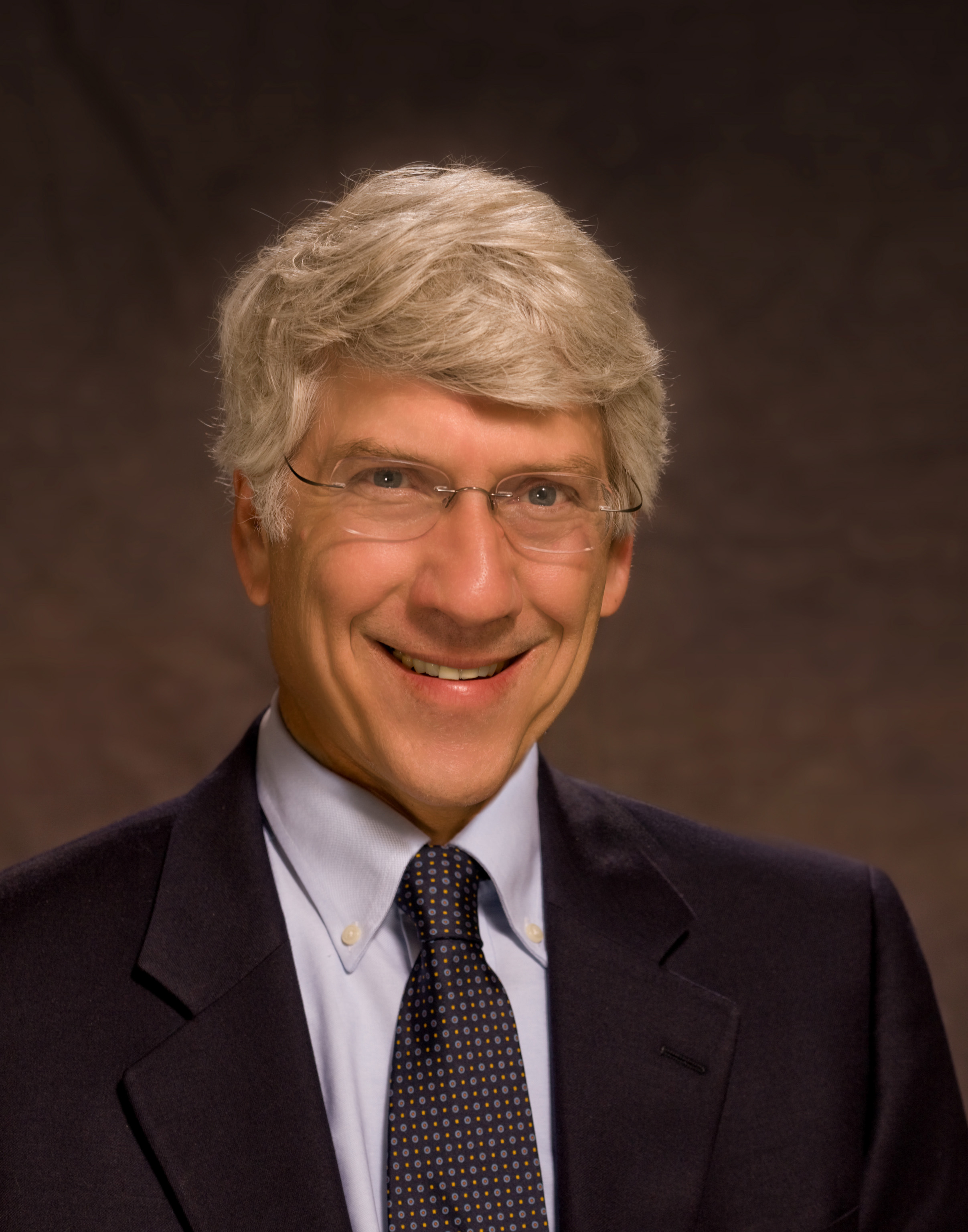
Dr. David Verdier, a recognized eye surgeon

The fear from the surgery caused my blood pressure and pulse to skyrocket. I was sweating in spite of the fact that it was cold in the operating room. I had trouble dozing off under the local anesthesia.

I could feel the work done on the left eye and yellow balls and circles were dancing in front of me. I got a perforated shield on the left eye as well to protect the eye for seven days after the surgery.

When I was hauled into the post-operating stall, I could see my husband as clear as the night sky. Very sharp.

Crisp new 20/20 vision after cataract surgery

I was again the youngest person on the operating premises. Certain type of cataracts strike “younger” people, and unlike the regular cataracts they move very fast causing deterioration of the eyesight.

“It’s like a dirty windshield,” said Dr. Nathan Schlotthauer during the initial evaluation. “New layers keep adding on to it.”

At the height of the cataract ordeal that started two years ago, I could not see myself in the mirror or drive.

Resting in the post-operational stall, I was glad it was all over.

Dr. Verdier entered the stall, “It went very well.”

Next day’s check-up proved my 20/20 vision, and the technician was just as excited as I was.

“You won’t need eyeglasses,” he said.

I got the last schedule for eye drops that would run through Sept. 19. The medication schedule called for the tapering of prednisolone eye drops. Prednisolone eye drops reduce redness, burning and swelling.

As the AcrySof IQ lens implant adjusted in the eyeball, I could see orange circles on the periphery. Sometimes there was tension in both eyes, but the vision remained beyond expectations.

“You see like a hawk now,” said my husband Ludek.

The last appointment at the Verdier Eye Center was on Aug.22. The first evaluation was on July 11.

“You look great,” concluded Dr. Verdier after recording the case. “You have new eyes. We’re very pleased. You were an excellent patient to have.”

“I am ecstatic doctor,” I cried with joy. “I am a new woman.”

In two weeks I saw my referring eye doctor Dr. Holser back in Lowell, who confirmed the 20/20 vision.

“You probably will never need eyeglasses,” he said. “Dr. Verdier is the best. He is worth waiting for.”


For more information go to: www.verdiereyecenter.com

East Paris Surgical Center, LLC http://eastparis-surgicalcenter.com


Eye surgery
Eye surgery


A few facts about cataracts according to American Academy of Ophthalmology:

In a normal eye, light focuses precisely on the retina.

In an eye with a cataract, light scatters throughout the eye instead of focusing precisely on the retina causing cloudy vision.

Common symptoms of cataracts are: a painless blurring of vision, glare or sensitivity, poor night vision, double vision in one eye, needing brighter light to read, fading or yellowing of colors.

Most age-related cataracts progress gradually over a period of years, and may be different even between the two eyes.

Other cataracts in younger people may progress rapidly over a short time.

Surgery is the only way a cataract may be removed. However, if symptoms are not bothering you much, surgery may not be needed. Sometimes a simple change in eyeglass prescription may be helpful.

No medications, dietary supplements or exercises have been shown to prevent or cure cataracts.


Cataract surgeries:

More than 1.8 million people have cataract surgery each year in the United States. More than 95 percent of those surgeries are performed without complications.

During cataract surgery, which is usually performed under local or topical anesthesia as an outpatient procedure, the surgeon removes the cloudy lens from the eye. In most cases, the focusing power of the natural lens is restored by replacing it with a permanent intraocular lens implant.

The ophthalmologist performs the delicate surgery using a microscope, miniature instruments and other modern technology.

In many people who have cataract surgery, the natural capsule that supports the intraocular lens may become cloudy over time. I f this occurs, the surgeon may perform an outpatient laser procedure called capsulotomy.

For more information go to: www.aao.org

Go back

Your message has been sent

Warning
Warning
Warning
Warning

Warning.

Copyright © 2014 All rights reserved Emma Blogs LLC

New eyes with Dr. Verdier III

The surgery

Note: This is the third part in the mini-series about Emma Palova’s journey from near blindness to new eyes with 20/20 vision. It is a story about cataracts that cause blurred vision.

The second part “The evaluation of cataracts” was published on Sept. 13.

The first part “Eyes set on Dr. Verdier” was published on EW Emma’s Writings http://emmapalova.com on Sept. 6.

 The Verdier Eye Center performs 100 cataract surgeries a week between the five doctors and the two floor levels.

Dr. David Verdier, a recognized eye surgeon

The surgical rooms of East Paris Surgical Center, LLC are located  in the basement of the building at 1000 E. Paris in Grand Rapids, Michigan. There were a lot of people in the waiting room. Some with eye shields awaiting the second eye surgery.

I noticed a painting on the wall of a beautiful dog on a beach. I’ve never had a surgery before, so I didn’t know what to expect.

But, I did have my patient’s handbook.

There was a trio of women loudly chatting.

“How come you put on your make-up when you’re having an eye surgery,” asked a brunette her friend. The handbook specifically instructed not to wear any make-up. Now that was something new for me too; not wearing make-up. The last time I didn’t have make-on in public was probably in sixth grade.

After eye surgery
After eye surgery

“It’s a frivolous surgery,” the woman laughed.

Any surgery is a surgery. My second biggest asset, eyes, were at stake. I was scared.

The stalls in the surgical room were again full of people, either getting prepped for the surgery or recovering.

I got a lot of eye drops that dilated and numbed the right eye. In the meantime, the anesthesia was kicking in. But, I could still hear the anesthesiologist.

“You’re the youngest person here,” he said referring to the cataract that strikes younger people.

“Yes, everything is relative,” I said.

“Well if you live long enough, everyone will eventually get one,” said the anesthesiologist donning a nice plastic cap.

They hauled me away to Dr. David Verdier’s caring hands. The actual surgery took only 15 minutes, but the prep time and recovery totaled three hours.

An incision is made into the eye and the old lens is removed and replaced with a new plastic one. I have an AcrySofIQ lens implant that also corrected my vision, so I don’t have to wear eyeglasses.

I was not completely out during the surgery. I could feel the work on the eye and see yellow circles. After the surgery I got a nutri-bar and cranberry juice. It never tasted better. The patients are required not to eat or drink anything as of midnight before the surgery.

I could immediately see clear on the right eye even through the grid of the eye shield. That was an incredible feeling after two years of blurred vision. At its worst point in mid July, I only went by memory or by touch.

“I am very pleased with how the surgery has turned out,” said Dr. Verdier right after the surgery.

I was ecstatic and went for a check-up the next day, still not being able to drive because of the previous anesthesia.

“You have a 20/20 vision now,” said Dr. Verdier. “It does matter who performs the surgery.”

“I am very grateful to you, doctor,” I said. “You made me a new woman.”

Then, Dr. Verdier explained what he was going to do with the left eye two weeks later.

“I will adjust the left eye so you can read, but you won’t able to see as clear into the distance,” he said. “The two eyes would fight.”

You could see the respect everyone at the center had for Dr. Verdier.

The left eye would be next in two weeks.

To be continued with the “Grand Finale.”

About the featured photo. This is how clearly I see now. The photo is of Fallasburg Covered Bridge by Bruce Doll.

For more information go to: http://eastparis-surgicalcenter.com or

http://www.verdiereyecenter.com

Copyright © 2014 All rights reserved Emma Blogs LLC

New eyes with Dr. Verdier II

The evaluation of the cataracts

By Emma Palova

EW Emma’s Writings

Note: This is the second part in the mini-series about Emma Palova’s journey from near blindness to new eyes with 20/20 vision. It is a story about cataracts that cause blurred vision.

The first part “Eyes set on Dr. Verdier” was published on EW Emma’s Writings http://emmapalova.com on Sept. 6.

The evaluation

Grand Rapids, MI – I was in at the Verdier Eye Center for an evaluation of the cataracts on July 11.

“Sweet,” said Dr. Nate Schlotthauer as he examined my right eye after dilating it with eye drops.

He called in a technician to look at the “perfect” cataract that plagues younger people than 60. Hereditary factors play a role in the fast-moving cataracts, as well as exposure to the sun, and birthdays, according to Schlotthauer.

I could not read the chart with rows of letters during the examination.

“It’s like looking through a foggy window that gets foggier as more layers are added,” said Schlotthauer. “Only a surgery can fix that. If you live long enough, you will eventually develop a cataract.”

I looked around me in the dark room with the expensive optical equipment and I wondered where the surgery will take place.

Optical equipment at the Verdier Eye Center

“Dr. Verdier will come now to see you,” said Schlotthauer.

Smiling Verdier with curly blonde hair walked in fast. I slightly remembered him from the story interview almost 10 years ago. Little did I know that I would be needing his eye care.

“I can’t drive. I can’t write and I can’t see myself in the mirror,” I described the fast progression of the cataract in the right eye. I have trouble seeing you doctor.”

Verdier examined the cataract nodding his head.

Dr. David Verdier, a recognized eye surgeon

“We’ll fix you up. We’re going to do the right eye first,” he said. “Don’t worry. But remember, you still might need eyeglasses. Look at me.”

A technician flooded my right eye and performed measurements of the eyeball for the future lens implant that will replace the natural lens with the cataract. She also made me an appointment with the family doctor to make sure that I was fit for a surgery.”

“Okay, you’re all set for July 22,” she said.

The Verdier Eye Care office center is located on the main floor of the 1000 E. Paris building. It is a network of hallways, examining and waiting rooms, almost like a glass house labyrinth. Technicians in Cherokee blue uniforms were running around.

Boards with blinking lights showed which rooms were occupied. Clearly there was a system and an order underlying the chaos.

I got my Patient Information booklet about the upcoming surgery. My husband picked up the prescribed Polytrim ad Prednisolone eye drops for me. I was all set.

About the featured photo; This is what objects seem  like with a cataract.

For more information on eye surgeries go to http://www.verdiereyecenter.com

To be continued with “The surgery”

Copyright © 2014 story by Emma Palova

Go back

Your message has been sent

Warning
Warning
Warning
Warning

Warning.